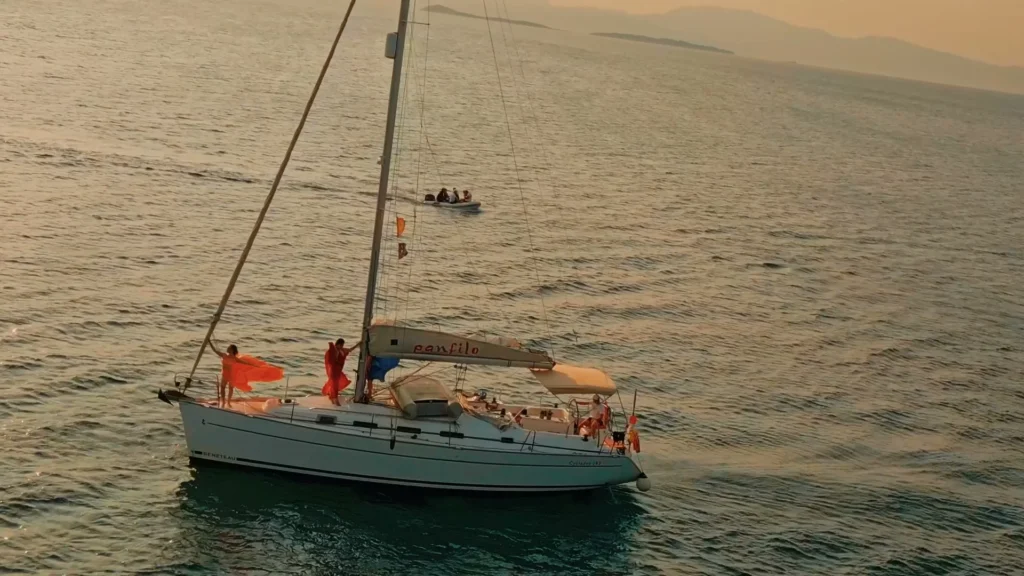
“How much does it cost?” is the first question almost everyone asks me. The honest answer: there is no single price. Every trip I plan is built around your dates, your group and the way you want to travel. What I can do is show you exactly what moves the price, so you understand any quote you get, from me or from anyone else.
What moves the price, at a glance
Biggest factor: the boat (type, size, age and equipment)
Season: July and August cost the most; May, June and September are better value
On top of the boat: skipper, fuel, marinas, food, cleaning and extras
Best way to save: share the boat, travel outside peak summer, book early
1. The boat you choose
This is the biggest factor. Roughly from lower to higher cost:
Monohull sailing yacht. The classic sailing experience. Heels in the wind, feels like real sailing.
Catamaran. More space, more stability, bigger cabins and a large deck. Popular with families and groups who care about comfort.
Motor yacht. Faster between islands and the most premium option.
Within each type, size and number of cabins, the age of the boat and the equipment on board (watermaker, generator, air-conditioning, paddleboards) all make a difference. More on choosing in Catamaran vs Monohull.

A catamaran gives you more space, and usually costs more than a monohull of the same length.
2. When you travel
Season changes the price of the same boat a lot.
July and August. Peak demand, highest prices, busier anchorages and stronger meltemi winds in the Aegean.
May, June and September. Pleasant sea (still cool in May), quieter islands and noticeably better value. For many people this is the sweet spot.
April and October. The most budget-friendly months, with cooler water and some island businesses still closed or closing.
When you book also matters: the best boats for each week go first, so planning early gives you more choice, not only a better price.
3. How long and where
A week is the classic length. The route affects the cost too: longer distances mean more fuel, and some islands and marinas are more expensive to stay at than others. One-way routes (starting and finishing in different ports) can also carry an extra fee.
Skipper’s note: Short hops and nights at anchor are not only cheaper, they are usually the best part of the trip. A relaxed route with three or four stops costs less in fuel and marinas than a rush around six islands.
4. Skipper and crew
The skipper is a separate cost from the boat itself, and in my opinion it is the best money you will spend. You get someone who knows the winds, the safe anchorages and the quiet beaches, and you get to actually relax. Depending on what you want, you can also add a host or cook so you don’t have to think about meals at all.
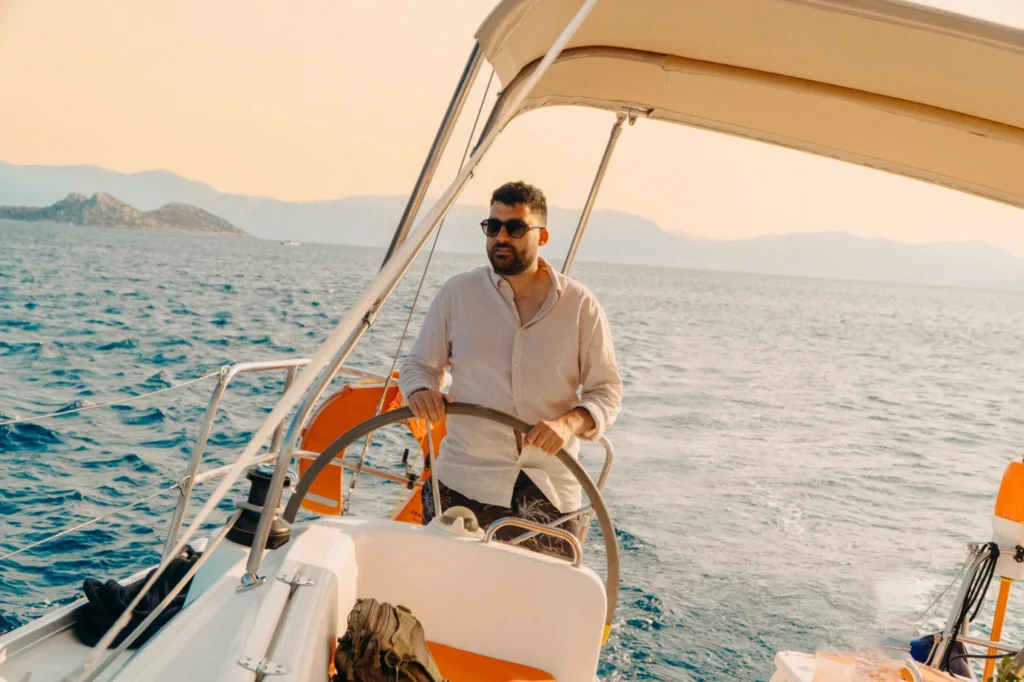
At the helm in the late afternoon light.
5. The costs on top of the boat
This is where quotes are hard to compare. The price of the boat itself usually does not cover everything. Things to look out for:
Fuel. Depends on how much you motor and how far you go.
Marinas and port fees. Nights in marinas cost money; nights at anchor usually don’t.
Food and drinks. Provisioning on board plus taverna dinners ashore.
Skipper’s food. Customary when you have a skipper on board.
Final cleaning, transit log and local taxes. Often charged separately by the charter company.
Extras. Dinghy engine, paddleboards, snorkelling gear, bed linen, Wi-Fi.
Transfers. Getting from the airport or Athens to the marina.
Security deposit. Returned at the end if nothing is damaged, or covered with damage-waiver insurance.
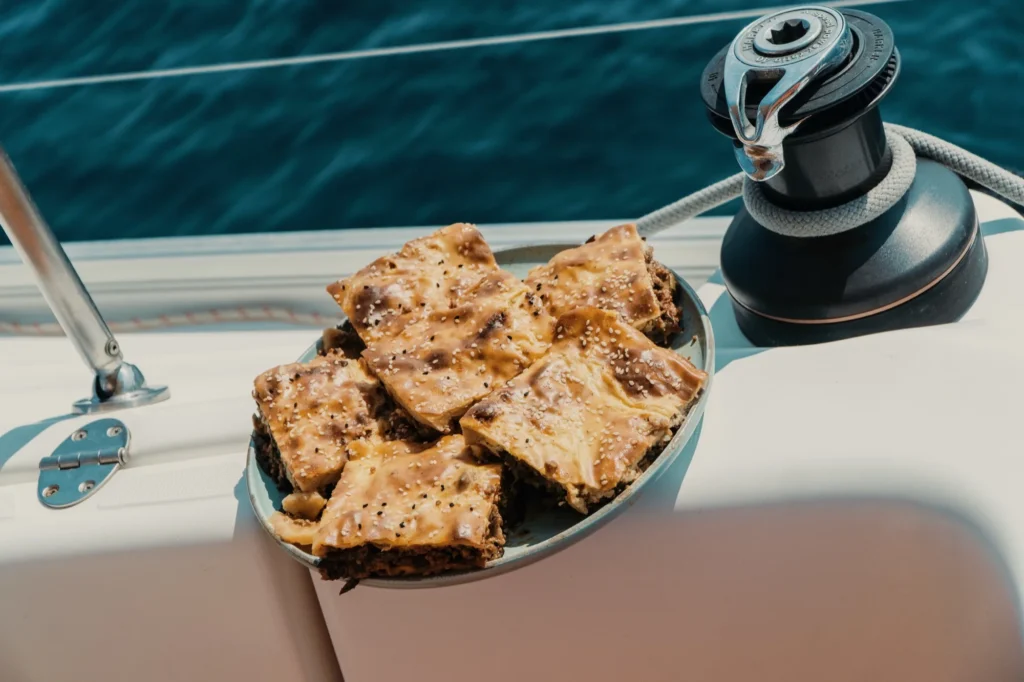
Lunch on board at anchor costs far less than a taverna, and is often the better meal.
How to compare two quotes
Before you decide, ask each company the same questions:
Skipper. Is the skipper included, and who pays for the skipper’s food?
Running costs. Are fuel, marinas and cleaning included or extra?
The boat. How old is it and what equipment is on board?
Deposit. What is the security deposit, and is there a damage waiver?
Weather. What happens if the weather changes the plan?
A cheaper headline price with many extras can easily end up costing more than a fuller offer.
Ways to keep the cost sensible
Travel outside peak summer. May, June or September instead of July and August.
Share the boat. You pay for the whole boat, not per person, so a full boat changes the maths a lot.
Plan early. The right boat for your budget is usually the first to go.
Stay flexible on the route. More nights at anchor and shorter hops mean fewer marina fees and less fuel.
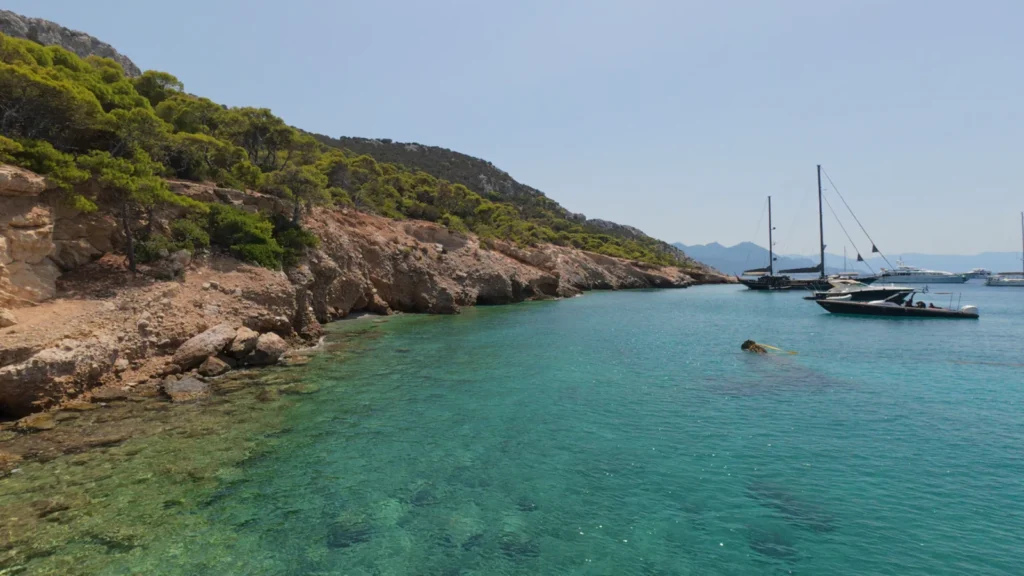
A night at anchor: free, quiet, and usually the one guests remember.
Questions about cost
Why don’t you publish fixed prices?
Because every trip is different: the boat, the season, the group and the route all change the price. A fixed number on a website would be wrong for most people.
Why do your trips always include a skipper?
Because it makes the holiday safe and relaxed: you don’t need a licence, someone experienced handles the boat and the weather, and you get local knowledge you would never find on your own.
Is a catamaran always more expensive?
Usually, for the same length. But it carries more people comfortably, so for a larger group the cost per person can end up similar.
Keep reading
How to plan your first sailing holiday · a step-by-step guide
Catamaran vs Monohull · which boat fits your group and budget
Why sail in Greece · 8 reasons it is one of the best places to sail